



Thought-provoking articles and classroom ideas for English teachers who never stop learning.
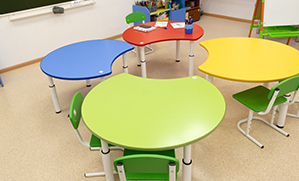
New Year, New Layout
The classroom is more than a place where learning happens. When space, organisation, and wellbeing are considered together, it becomes a dynamic environment that supports curiosity, concentration, and student growth every day.
Read this post

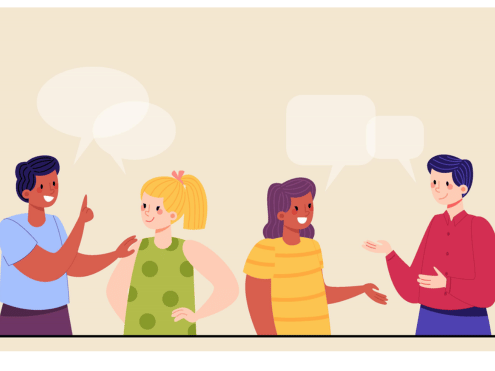

Discover innovative strategies to give young learners more opportunities to speak English in the classroom. From encouraging repetition and multiple answers, to letting students take control and understand what they are saying, this guide provides practical tips to enhance their language skills. Dive in and transform your teaching approach today!
Read this post

Now, more than ever, environmental sustainability is a central topic in the classroom. Here are 5 ways we can include these themes in our lessons so that it becomes easy for students to think about sustainability and begin green habits that could last a lifetime.
Read this post

This blog presents ideas on how you can redistribute the materials you give in either face-to-face or online classes to take more advantage of synchronous classes with your students. Assigning lower-level thinking activities outside of class is beneficial to everyone, as during synchronous classes your students are more prepared to participate in higher-level cognitive activities, and your lessons on the whole become more meaningful.
Read this post
A challenging start to the new term can be made easier with the Richmond Essential Start materials.
Read this post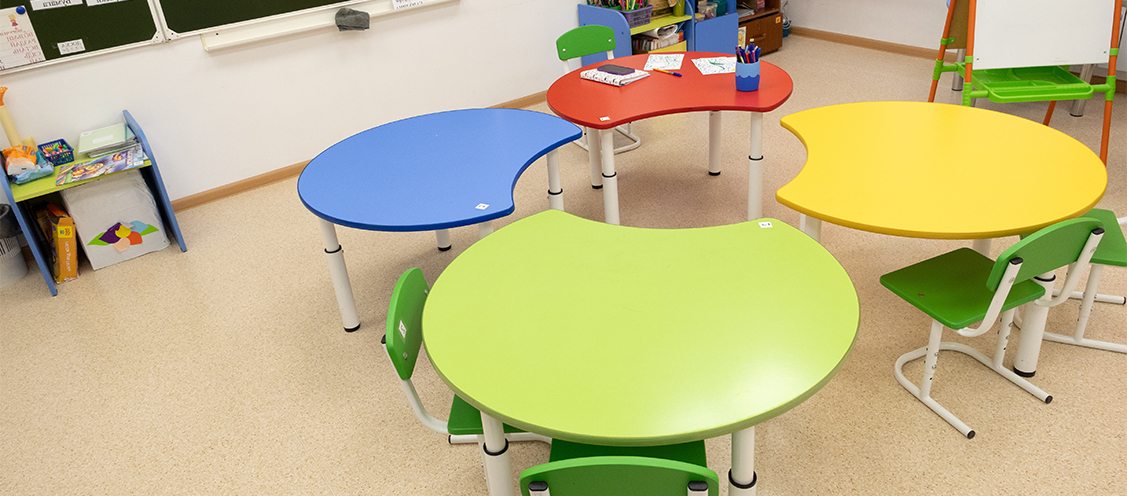

 Category