



Thought-provoking articles and classroom ideas for English teachers who never stop learning.
New Year, New Layout
The classroom is more than a place where learning happens. When space, organisation, and wellbeing are considered together, it becomes a dynamic environment that supports curiosity, concentration, and student growth every day.
Read this post



Students misbehaving, homework not being completed or handed in late, spending too long preparing classes and marking; what could they all have in common? Perhaps one contributing factor is a lack of well-communicated and enforced rules.
Read this post

Mediation refers to the use of language to collaborate with others and construct meaning. We examine why this form of interaction should be a pillar of every modern language classroom.
Read this post
In times of change, lifelong learning is key to personal development and success. In this blog, we focus on how to motivate students to continue their education outside of the classroom.
Read this post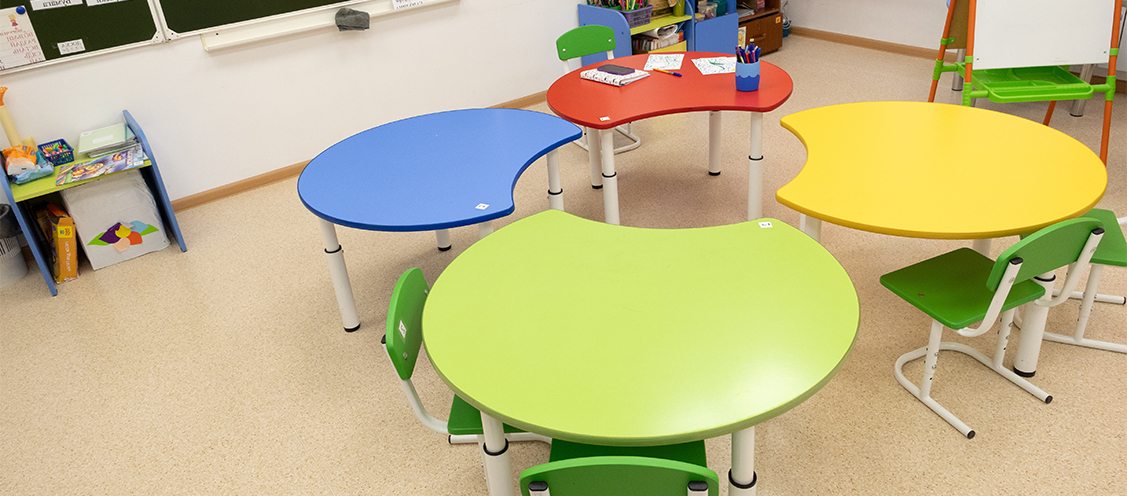

 Category