



Thought-provoking articles and classroom ideas for English teachers who never stop learning.
New Year, New Layout
The classroom is more than a place where learning happens. When space, organisation, and wellbeing are considered together, it becomes a dynamic environment that supports curiosity, concentration, and student growth every day.
Read this post
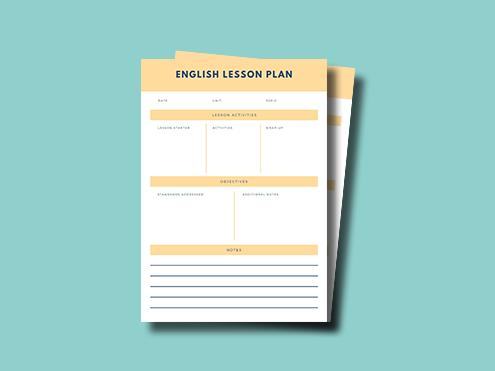

This blog presents ideas on how you can redistribute the materials you give in either face-to-face or online classes to take more advantage of synchronous classes with your students. Assigning lower-level thinking activities outside of class is beneficial to everyone, as during synchronous classes your students are more prepared to participate in higher-level cognitive activities, and your lessons on the whole become more meaningful.
Read this post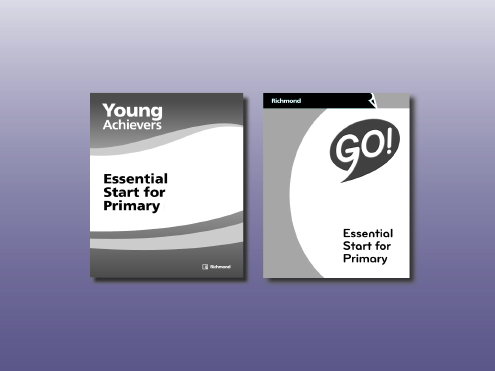
A challenging start to the new term can be made easier with the Richmond Essential Start materials.
Read this post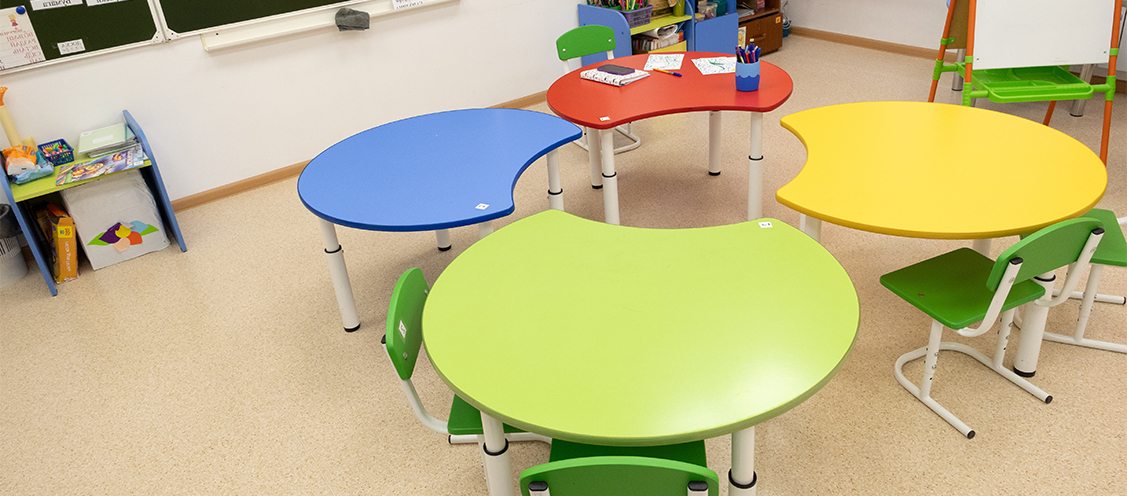

 Category