



Thought-provoking articles and classroom ideas for English teachers who never stop learning.
New Year, New Layout
The classroom is more than a place where learning happens. When space, organisation, and wellbeing are considered together, it becomes a dynamic environment that supports curiosity, concentration, and student growth every day.
Read this post



Assessment is one of the main reasons teachers question whether it’s a good idea to dedicate time to project work in class. Don’t panic! We’ve got several assessment solutions for you, and we wholeheartedly support your decision to let your students’ varied learning styles shine thanks to project work.
Read this post

We give feedback to our students every day in class, sometimes without thinking about what we are saying or what effect it might have on them. In this blog post, we look at how we can use feedback effectively and how it can benefit our students in their learning.
Read this post
We all know that visuals can make the class more exciting and attractive for our students, but do we really know why? In this blog post, we consider the advantages of using visuals in class as well as the times in the lesson when they are most effective.
Read this post
In this second post about scaffolding in the classroom, we look at how memory works in order to make teaching with scaffolding as effective as possible. We also offer some practical ways to apply scaffolding as a linguistic support.
Read this post
The term ‘scaffolding’ has an interesting history, but how can it help teachers in the ELT classroom? In this first blog post, we’ll find out about different forms of scaffolding and how it can be applied to support your students.
Read this post
Unlike actors and entertainers, teachers are on show all day, every day. We know a dynamic classroom is key to student learning, so in this blog we examine how other professionals in the public eye motivate their audiences - and find their strategies great preparation for that leading role in our lives.
Read this post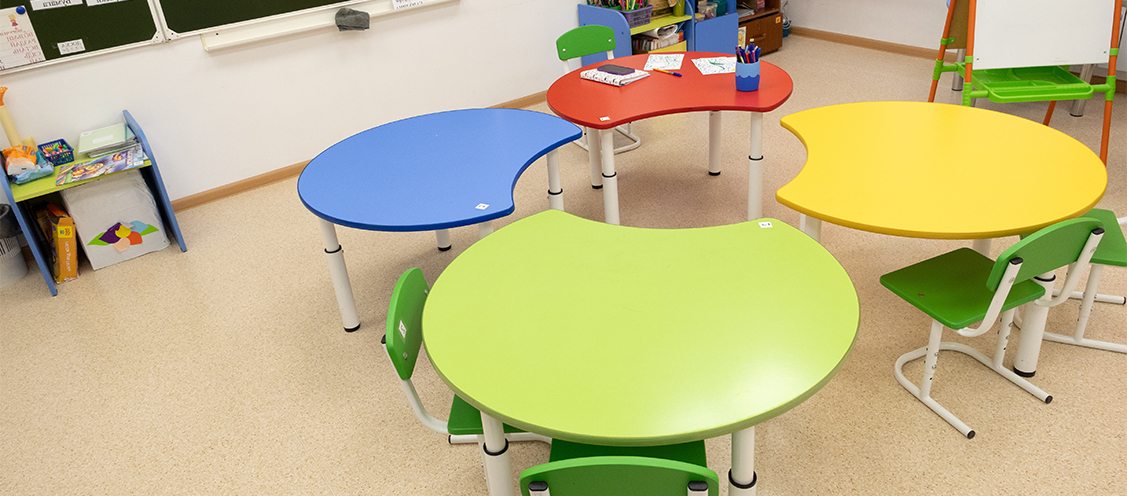

 Category